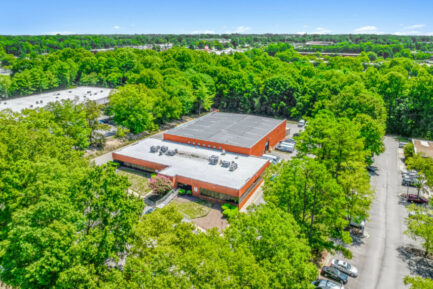

The property class system categorizes commercial real estate assets to help investors assess relative quality, performance potential, and risk. By evaluating factors such as location, tenant profile, building condition, and income stability, investors and advisory firms assign each property to a specific class. This framework provides a consistent way to compare opportunities, set return expectations, and make informed investment decisions across markets and property types.
Key Takeaways
|
What Is Commercial Real Estate?
Commercial real estate refers to properties used for business operations and income generation rather than residential living. These assets generate returns through rental income, long-term appreciation, or a combination of both, supporting a broad range of industries and economic activity. Unlike residential real estate, commercial properties differ in intended use, financing structures, and regulatory considerations, all of which influence how investors evaluate risk and return. The most common types of commercial real estate property include the following asset classes:
- Multifamily
- Office
- Industrial
- Retail
- Hospitality
- Mixed-use
- Self-storage
- Special-purpose assets
Property Type |
Primary Users |
Key Investment Strengths |
Typical Risk Profile |
| Multifamily | Households, students, seniors | Consistent occupancy, recession resilience | Moderate due to turnover and management needs |
| Office | Professional and corporate tenants | Long lease terms, stable income | Higher in markets affected by remote work |
| Industrial | Logistics, manufacturing, distribution | Strong demand, low maintenance | Lower, tied to supply chain trends |
| Retail | Consumer-facing businesses | Percentage-rent upside, strong locations | Variable, depends on tenant mix and e-commerce trends |
| Hospitality | Travelers, corporate guests | Revenue flexibility, strong locations | Higher due to economic cycles and seasonality |
| Mixed-use | Tenants across sectors | Diversified income, strong land use | Moderate, requires coordinated operations |
| Self-storage | Households and businesses | Low operating costs, flexible rents | Lower, stable demand during all cycles |
| Special-purpose | Niche users | High-yielding potential | Higher due to limited alternative uses |
Definition and Key Characteristics
Commercial properties are classified by primary use and tenant profile and typically feature longer lease terms, negotiated tenant improvements, and more complex financial structures. Transactions often involve specialized due diligence, underwriting, and financing strategies that are closely tied to business performance and lease economics. Valuation is driven primarily by a property’s ability to generate net operating income, with tenant credit quality, location, and broader market conditions playing central roles. For newer investors, reviewing common commercial real estate terms can help build a stronger foundation for understanding these concepts and evaluating opportunities more confidently.
Commercial vs. Residential Real Estate
While residential properties are designed to house individuals and families, commercial assets are built to support business activity and income production. Commercial real estate typically requires greater upfront capital, involves more sophisticated lease structures, and offers distinct tax and operational considerations for investors. These properties must also comply with additional zoning, accessibility, and safety requirements that reflect their commercial use. Financing is primarily based on an asset’s cash flow and debt-service coverage rather than personal income, creating a fundamentally different investment framework compared to residential real estate.
Commercial Real Estate Property Class Types
Commercial real estate property classes serve as comparative indicators that help investors evaluate and differentiate business properties within the same market or geographic area. Because commercial assets vary in factors such as quality, location, and age, they are generally categorized into three primary classifications: Class A, Class B, and Class C.
Property Type vs. Property Class
Property type describes how a commercial asset is used, while property class reflects the building’s quality, age, and location relative to others in the same market. For example, an industrial warehouse, multifamily property, and retail center represent different property types, yet each may be classified as Class A, Class B, or Class C based on physical condition and market positioning. Understanding this distinction allows investors to evaluate both the functional role of an asset and its competitive standing within a specific submarket.
Factors that Determine Property Class
Investors typically rely on relative metrics to compare commercial properties within the same market or region. Strength in a single category does not automatically elevate a property to Class A status, as classification is determined by the combined influence of multiple factors. A property’s class designation is based on a holistic assessment of some or all of the following criteria. These criteria normally include:
- Risk and return
- Features and amenities
- Quality and condition
- Location and accessibility
- Growth potential
- Age
- Market perception
Each property class represents a different balance of risk and opportunity, influencing how an asset may perform within an investor’s broader portfolio. As properties are renovated, repositioned, or become dated, they may shift between classes over time. While great physical improvements can enhance value, location remains a critical determinant; an inferior location may limit a property’s classification regardless of building quality.
What’s the Difference Between Each Commercial Property Class?
Class A properties represent the highest quality assets with the lowest relative risk, while Class B and Class C properties fall below in descending order of quality and perceived risk. This spectrum, which ranges from premium locations with modern amenities to older assets in less favorable markets, creates a standardized grading system used to classify commercial real estate properties.
Property Class A
Class A properties are considered the most prestigious assets within the commercial real estate classification system. They are typically newer buildings located in central business districts or other highly desirable urban cores. These properties are commonly situated in densely populated areas with strong access to public transportation, which increases their appeal to both investors and tenants. Because of these premium characteristics, Class A properties often command rents that exceed the broader market average.
Property Class B
Class B properties are generally functional, sometimes dated buildings that generate average market rents. These assets are typically older than Class A properties, which can introduce a higher level of investment risk along with a potential value-add opportunity. Class B buildings are usually not located in prime submarkets, but they remain situated within well-populated and economically active areas. They often feature average finishes, solid construction quality, and limited amenities compared to higher-tier properties.
Property Class C
Class C properties represent the lowest quality tier within the commercial real estate classification system and are often in need of significant improvement. These assets are typically more than 20 years old, located in less favorable areas, and generate below-average market rents. Class C properties frequently require substantial capital investment to address deferred maintenance, repairs, and ongoing operational needs.
Office Properties
Office buildings support a wide range of business users and range from single-tenant properties to large multi-tenant complexes. The sector has continued to evolve in response to shifting workplace trends, advances in technology, and changing tenant expectations. Office assets are commonly classified as Class A, Class B, or Class C based on factors such as building quality, location, and available amenities. Class A office buildings typically command premium rents and attract institutional tenants, while Class B and Class C properties offer more cost-effective options for growing or budget-conscious businesses.
Medical Office
Medical office buildings represent a specialized segment within the office sector and require infrastructure designed to support clinical and healthcare operations. These properties often benefit from stable tenancy, longer lease terms, and lower turnover, driven by regulatory requirements and the importance of established patient relationships.
Flexible and Co-Working Spaces
Co-working and flexible office environments have expanded rapidly as demand for adaptable workspace solutions has increased. These formats serve freelancers, startups, and larger companies seeking flexibility, scalability, and shorter-term occupancy options. Operators typically lease larger office footprints and offer shared amenities, delivering high-quality space with shorter commitment periods for tenants.
Retail Properties
Retail real estate includes properties designed for businesses that sell goods and services directly to consumers. The sector continues to adapt to the growth of e-commerce and evolving consumer shopping behaviors. High-performing retail centers increasingly emphasize experiential uses such as dining, entertainment, and service-oriented tenants. Location fundamentals, including visibility, traffic patterns, and surrounding demographics, remain central to retail performance. Many retail leases incorporate percentage rent structures, which help align landlord and tenant incentives.
Shopping Centers and Malls
Shopping centers bring multiple retail tenants together under a single ownership structure. Anchor tenants, such as grocery stores or department stores, help drive consistent foot traffic that supports smaller retailers. To remain competitive, many malls are evolving into mixed-use destinations that incorporate retail, dining, entertainment, and residential or office components.
Standalone Retail
Single-tenant retail buildings are occupied by individual businesses such as restaurants, banks, or automotive service providers. These assets often provide income stability when leased to creditworthy tenants and typically feature strong signage visibility, dedicated parking, and convenient site access.
Industrial Properties
Industrial real estate supports manufacturing, logistics, and distribution operations and has seen strong demand driven by e-commerce growth and ongoing supply chain restructuring. These assets often feature lower operating costs, longer lease terms, and stable tenant relationships, making them attractive to investors seeking durable cash flow.
Warehouses and Distribution Centers
Warehouses and distribution facilities provide critical space for inventory storage, order fulfillment, and logistics operations. Modern industrial facilities typically offer higher clear heights, enhanced loading capacity, and technology-enabled systems that support efficient distribution and supply chain performance.
Manufacturing Facilities
Manufacturing properties support production operations and often require heavy power capacity, specialized ventilation, and reinforced floor systems. Tenants typically occupy these facilities on a long-term basis due to the high cost and operational complexity of relocating equipment and infrastructure.
Data Centers
Data centers house critical digital infrastructure and require advanced cooling systems, redundant power supply, and enhanced physical and cybersecurity measures. These facilities often operate under long-term lease structures with institutional tenants, though they involve significant capital investment and specialized technical expertise.
Multifamily Properties
Multifamily properties with more than four residential units qualify as commercial real estate and generate rental income from multiple households. Demand for multifamily assets is driven by population growth, lifestyle preferences, and broader housing affordability trends. These properties range from small apartment complexes to large communities with extensive amenities and typically require professional management for leasing, maintenance, and resident services.
Student Housing
Student housing assets are designed to serve university populations and often feature specialized unit layouts and student-oriented amenities. These properties can deliver strong returns due to consistent demand, though performance is closely tied to enrollment trends and institutional stability.
Senior Living
Senior living properties serve aging populations across independent living, assisted living, and memory care housing types. These assets benefit from long-term demographic growth, but they require specialized operations, experienced management, and strict regulatory compliance.
Hospitality Properties
Hospitality real estate includes hotels, motels, and resorts that serve both business and leisure travelers. Performance is closely tied to tourism demand, broader economic conditions, and the strength of a property’s location. Many hospitality assets operate under franchise or third-party management agreements that provide brand recognition, marketing support, reservation systems, and operational expertise.
Extended Stay Hotels
Extended stay hotels are designed for guests who require longer-term accommodations and typically offer apartment-style units with kitchenettes. These properties often achieve more consistent occupancy levels than traditional hotels due to longer average stay durations and repeat demand.
Mixed-Use Properties
Mixed-use developments combine multiple property types within a single project, creating operational and economic synergies across uses. These assets benefit from diversified income streams, efficient land utilization, and built-in consumer activity generated by complementary tenants. Mixed-use properties often enhance walkability and engagement by integrating residential, commercial, and experiential components within one environment. Successful developments require thoughtful planning and design to balance operations, parking requirements, and tenant compatibility across uses.
Transit-Oriented Developments
Transit-oriented developments integrate multiple property types in close proximity to major transportation hubs. These projects benefit from strong pedestrian traffic, reduced parking requirements, and increasing demand for walkable, transit-connected locations.
Special Purpose Properties
Special-purpose properties are designed for highly specific uses and often feature unique layouts, infrastructure, or operational requirements. These assets can offer attractive return potential, but they may carry higher tenant replacement risk due to limited alternative uses and a narrower tenant pool.
Self-Storage
Self-storage facilities provide individuals and businesses with rentable space that ranges from small lockers to large storage units. These properties often benefit from low operating costs, minimal tenant improvement requirements, and month-to-month lease structures that allow operators to adjust rental rates quickly in response to local demand.
Healthcare Facilities
Healthcare properties include hospitals, outpatient medical centers, surgical facilities, and diagnostic buildings that support a wide range of clinical services. These assets often operate under long-term leases with financially strong healthcare providers and institutional tenants. While healthcare properties require specialized infrastructure and strict regulatory compliance, they can offer stable income and durable cash flow for investors.
Investment Strategies and Market Analysis
Commercial real estate investment strategies vary based on property type, market conditions, and individual investor objectives. Direct ownership provides greater control and income potential, but it requires more upfront capital and active asset management, while real estate investment trusts offer diversified exposure with professional management. Market analysis typically focuses on vacancy trends, absorption rates, rental growth, and new construction activity to assess supply and demand dynamics. These indicators help investors identify markets with growth potential and avoid areas facing oversupply or declining performance.
Current market trends point to strong demand for industrial and multifamily properties, continued pressure on office assets, and mixed performance across retail sectors. Healthcare and data center properties remain attractive due to long-term demographic shifts and ongoing technology adoption. The breadth of commercial real estate property types allows investors to construct portfolios aligned with specific risk and return objectives. A clear understanding of market fundamentals and property characteristics is essential for identifying opportunities and making informed investment decisions.
Choosing the Right Commercial Property Type
Understanding how each asset class performs across varying market conditions can help investors compare the most profitable types of commercial real estate as they refine their strategy. Different property types align with different investment objectives, return profiles, and risk considerations. Evaluating the full range of commercial real estate asset types allows investors to match performance characteristics with their financial goals and risk tolerance.
- Choose multifamily if you prioritize stable occupancy, predictable cash flow, and long-term demand across most markets.
- Choose industrial if you prefer low maintenance requirements, longer lease terms, and exposure to expanding logistics and e-commerce activity.
- Choose retail if you seek potential percentage rent upside and assets supported by strong trade areas and consumer traffic.
- Choose office if you are comfortable evaluating tenant credit quality and underwriting longer-term lease commitments.
- Choose hospitality if you are pursuing revenue growth tied to tourism and business travel and can tolerate higher operating volatility.
- Choose self-storage if you value flexible lease structures, low operational intensity, and historically consistent performance across economic cycles.
- Choose mixed-use if you want diversified income streams and exposure to the long-term value of well-located urban land.
Investing in Different Commercial Property Classes
Because each property classification carries different risk and return profiles, investors need to understand the nuances of investing across the various types of commercial real estate. Class A properties generally offer the greatest level of stability and capital preservation, as they typically have minimal deferred maintenance and lower exposure to unexpected capital expenditures. Class B and Class C properties, by contrast, are often acquired at higher capitalization rates than Class A assets. In exchange for assuming additional risk, investors in lower-class properties may capture greater upside through repositioning, operational improvements, and long-term appreciation.
Sands Investment Group helps investors identify opportunities across all property classes to align with their portfolio objectives. As a leading commercial real estate brokerage firm, SIG specializes in the acquisition and disposition of investment properties for private investors and institutions throughout the United States. Our advisors offer deep expertise across multiple sub-property types and market segments to deliver informed, data-driven guidance. To explore opportunities aligned with your investment goals, connect with a SIG advisor or visit our website to get started.