
Transforming a Vacancy-Challenged Industrial Property
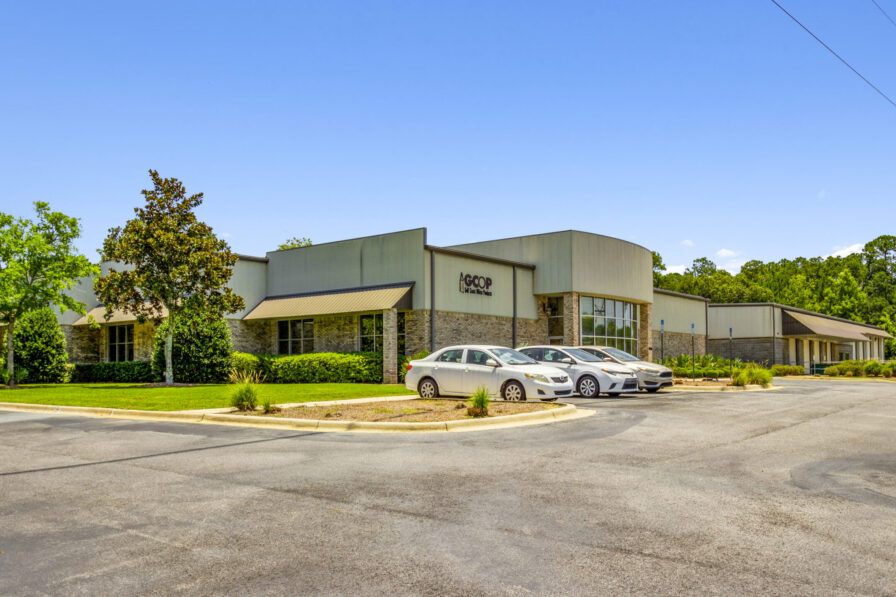
Solomon Colvin III guided a confidential owner through the challenges of a vacant multi-tenant industrial warehouse in Pensacola, FL. Despite strong fundamentals and a prime location near Interstate 10, the property’s high office percentage limited tenant interest and stalled activity in the sales market. By pivoting to a targeted leasing strategy, SIG unlocked demand from an unexpected source, a local group whose facility had been destroyed by a storm and urgently needed space. By securing this initial tenant, the team created momentum that led to a second tenant leasing the remaining portion of the building, effectively stabilizing the asset and restoring marketability. This approach established durable, in-place income through strategic leasing, transforming a vacant asset into a stabilized, income-producing investment.
Client Overview

The client owned a Class A industrial building previously occupied by a national tenant. While the property featured strong location fundamentals, its high percentage of office space made it difficult to attract tenants to lease. After limited traction in the sales market, the client engaged SIG to explore alternative strategies and pivoted toward leasing to create value.
The Challenge: High Office Percentage Limiting Buyer Demand
The property faced several significant obstacles that limited its reception on the market
- High office-to-warehouse ratio reduced appeal to traditional industrial users
- Property vacancy resulted in limited buyer interest and marketability
- Unable to identify an owner-user or investor willing to reposition the asset
These challenges required a shift away from a traditional disposition strategy toward a more creative leasing-focused solution.
The Strategy/Our Approach:
1. Identifying Immediate Tenant Demand
A local distribution company, whose facility had been destroyed in a storm, urgently needed space. Their operational needs aligned perfectly with the property, resulting in a rapid lease execution. Solomon leased half of the 25,000 SF building within just 12 days, from initial showing to executed lease.
2. Repositioning the Asset Through Multi-Tenant Leasing
Solomon identified an opportunity to divide the 25,000 SF warehouse into two functional spaces, allowing the building to accommodate multiple tenants and broaden its appeal. The property featured a pre-existing warehouse partition, originally designed by the owner, which allowed the space to be naturally divided between two tenants. This built-in separation simplified negotiations around space allocation and access, and enabled clear conversations with each tenant about how they would operate within their respective portions of the building.
3. Generating Demand Through Outreach
Solomon and the team implemented a highly hands-on, outbound leasing strategy rather than relying solely on inbound interest. Recognizing that the property’s layout wouldn’t naturally attract traditional users, the team focused on identifying tenants whose needs could align with the space, even if it wasn’t a perfect fit on paper.
- Leveraging SIG’s national marketing platform to generate initial exposure and capture inbound leads from a broader audience.
- Executing “rooftop brokerage” within a 30–40 mile radius, identifying nearby industrial users, ownership groups, and tenants operating in similar asset types.
- Direct outreach to existing tenants in surrounding buildings, asking targeted questions such as whether they were expanding, needed overflow space, or had operational constraints in their current locations.
- Engaging both tenants and local investors, creating conversations not just around leasing the space, but around overall market activity and demand.
- Maintaining consistent follow-up with a high volume of leads, ensuring no opportunity is missed, and keeping the property top-of-mind in the market.
Once the first tenant was secured, increased activity led to a second tenant leasing the remaining space.
Tenant Fit: What Made the Tenants a Strong Match?
The success of the leasing strategy was driven by strong alignment between tenant needs and property capabilities:
- Tenant 1 (Local Distribution User): Required immediate warehouse space following storm damage, operated a high-volume distribution model (inbound, packaging, outbound logistics, and prioritized functionality and speed over perfect specifications.
- Tenant 2 (National Window Company): Sought entry into the North Florida market, needed a smaller footprint to test operations, and structured a short-term lease with potential for future expansion.
By understanding each tenant’s operational needs and flexibility, SIG was able to match the imperfect space with highly motivated users.
The Results: Stabilization Through Strategic Leasing
The leasing strategy successfully transformed the asset
RESULTS SNAPSHOT
- 25,000 SF industrial space fully leased
- Two tenants secured (local + national)
- Leased 50% of the building within 12 days of the initial showing
- Rapid lease-up driven by urgent demand
- Property repositioned from vacant to income-producing
Leasing Insights: What This Deal Reinforced
This transaction highlighted several key leasing principles:
- Urgency drives deals: Tenants with immediate needs can drastically accelerate the timeline.
- Aligning space with tenant needs unlocks value: By understanding how a tenant operates, even an imperfect space can become a viable solution.
- Leasing supports investment sales: Stabilizing an asset often makes it more attractive to buyers.
- Communication is critical: Understanding and adapting to tenant needs is key to closing deals.
- Patience: Leasing often requires persistence, clear expectations, and ongoing dialogue to successfully match tenants with the right space.
Why Work with SIG for Leasing?
SIG combines national reach with local market execution:
- Exposure to both local and national tenants
- Proactive outreach beyond passive listing strategies
- Ability to connect leasing activity with investment sales strategy
- Deep understanding of tenant behavior and market demand
Rather than relying solely on inbound and local interest, SIG actively creates opportunities through targeted engagement.
What Property Owners Should Know Before Leasing
Before leasing a property, owners should take time to understand the tenant’s business model and assess long-term viability, as this directly impacts stability and risk. It’s also important to evaluate how the tenant uses or will use the space on a day-to-day operational level to ensure alignment with the property’s design and capabilities. Looking ahead, owners should identify similar tenant profiles that could serve as potential backfill options if needed, helping reduce future vacancy risk. Consistently monitoring tenant activity can provide early signals around renewal likelihood or potential vacancy, allowing for more proactive asset management.
Leasing Advice: Insights from the Field
Solomon reinforced several practical takeaways for both property owners and brokers navigating industrial leasing:
- Leasing is a core part of the business, not a fallback: In industrial real estate, leasing plays a critical role in maintaining deal flow between longer investment sales timelines, which can take years to close.
- Stay proactive, opportunities come from conversations: Consistent outreach to local tenants, owners, and operators can uncover demand that isn’t actively searching the market.
- Understand how tenants actually use space: Beyond square footage, knowing how a tenant operates, such as distribution flow, storage, and logistics, helps determine whether a property is truly a fit.
- Be solution-oriented: Even if a space doesn’t perfectly match a tenant’s request, working through constraints and exploring alternatives can lead to a successful deal.
- Patience and communication are key: Leasing involves constant back-and-forth, evolving requirements, and varying timelines. Staying engaged and communicative throughout the process is essential.
- Leasing builds long-term relationships: A single tenant today can become a repeat client for future locations, expansions, or acquisitions, creating ongoing deal flow and revenue opportunities.
Own a vacant, underperforming, or challenging industrial asset? Let’s talk about how our team can help stabilize it.
IMPORTANT INFORMATION: Sands Investment Group and its affiliates do not practice law and do not give legal, tax, or accounting advice. All clients are advised to consult their tax, legal, and accounting advisors before engaging in any transaction.