
Thinking about expanding your portfolio with a resilient, cash-flowing asset class? The car wash industry offers a compelling entry point for investors seeking stable demand and operational efficiency. Most car washes are owned by small business operators, underscoring the accessibility of this asset type for first-time and seasoned investors alike. In fact, roughly 90% of car washes are operated by small business owners, highlighting a highly fragmented market with room for strategic growth. Investor interest continues to rise as car washes demonstrate predictable revenue, repeat customer behavior, and scalable business models. Sands Investment Group provides the specialized industry knowledge and advisory resources to help you evaluate opportunities and understand why car wash assets remain a strong addition to diversified real estate portfolios.
Key Takeaways
|
Reasons to Invest:
Demand for professional car wash services continues to rise as vehicle owners prioritize convenience and upkeep. Sixty-six percent of U.S. car owners have their vehicles washed one to two times per month, demonstrating consistent, repeat-driven demand. Consumers have increasingly moved away from at-home washing, choosing professional car wash facilities for speed, efficiency, and higher-quality results.
While factors such as location, traffic patterns, and site size influence performance, investors are entering a category defined by strong and steady consumer demand. Site selection plays a central role in evaluating the advantages and considerations of car wash ownership. Different car wash formats, such as express exterior, full service, or flex-serve, require varying levels of capital, land, and operational oversight. Investing in this industry is most appropriate when aligned with your financial goals, operational expectations, and comfort with ongoing maintenance and asset performance.
While each acquisition requires careful due diligence, here are several potential outcomes when a car wash is operated effectively:
Increase Your Income
Owning a car wash can generate meaningful revenue due to steady customer volume and repeat usage. In the United States, there were an estimated 289.5 million registered vehicles in 2022, reflecting a large and consistent customer base. Washing 20,000 cars per year can produce approximately $139,000 in revenue from wash fees alone. The average ticket price for a standard car wash is $15 per vehicle. This figure does not include additional services or upgrades that can further increase average revenue per visit. Investors benefit from predictable, recurring income supported by stable consumer demand for professional car wash services.
Growth
Owning a car wash can offer a stable and profitable investment path for both new and experienced operators. As revenue grows, many owners choose to expand by opening additional locations in high-traffic markets. Some operators also add a gas station when the site allows for it, creating a complementary revenue stream. Approximately 65 percent of car wash locations also dispense gasoline, indicating strong alignment between the two services. This combination can introduce new opportunities for growth, diversification, and higher overall site performance. With continued demand and operational momentum, investors have the potential to build a recognizable car wash brand across multiple markets.
Added Real Estate Asset
Owning a car wash also enhances your real estate portfolio by adding a stable, income-producing asset. Car wash properties can generate passive income while offering the potential for premium long-term returns. This type of real estate asset also provides meaningful resale value, giving investors flexibility as their strategies evolve. After establishing operations and growing performance, owners may choose to sell the property or business to support retirement planning or realize additional profit.
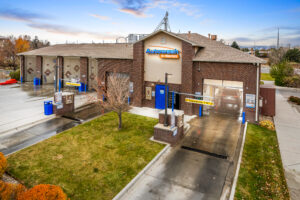
Types of Car Washes To Invest In
While all car washes deliver the same core service, each operating model carries a distinct risk profile, cost structure, and revenue trajectory. Understanding these differences is essential to selecting an investment that aligns with your capital strategy and desired level of operational involvement.
Self-Service Bays:
Self-service car wash properties typically require the lowest upfront investment and minimal labor. Customers operate the equipment on their own, which reduces staffing needs and helps keep ongoing expenses predictable. Although self-service locations often generate lower revenue per vehicle than automated formats, they provide stable operating costs and consistent demand in markets where drivers value speed and limited interaction.
In-Bay Automatic Systems:
In-bay automatic sites strike a balance between automation and manageable overhead. Vehicles remain stationary while the equipment moves around the car, enabling operators to serve a steady flow of customers with minimal staffing. For investors seeking a lower-maintenance entry point with strong cash-on-cash potential, in-bay systems offer an appealing combination of affordability and throughput.
Tunnel or Conveyor Car Washes:
Tunnel washes are engineered for high-volume throughput and consistent customer traffic. Although they require a larger upfront investment for equipment, site development, and operational systems, they also deliver the highest revenue potential per hour. Tunnel sites perform especially well in markets with strong demographics, steady traffic patterns, and limited competitive alternatives. Many of today’s top-performing tunnel operators enhance long-term value by offering monthly membership programs that create recurring, predictable revenue.
Evaluating which model aligns with your investment objectives is essential to understanding how the asset may perform across different market conditions and how actively you want to participate in daily operations.
Pros and Cons of Car Wash Investments
Like any commercial real estate opportunity, the car wash industry presents a mix of strengths and considerations that investors should evaluate before entering the market. Understanding both advantages and potential challenges helps ensure the asset aligns with your financial objectives, risk tolerance, and preferred level of operational involvement.
Car washes benefit from steady consumer demand, recurring revenue streams, and strong long-term performance in markets with healthy traffic patterns. Advances in wash technology have reduced labor requirements and increased operational efficiency, improving overall profitability. For investors focused on scalability, many operators now leverage membership programs and multi-site expansion strategies to enhance cash flow and build brand presence across key trade areas.
At the same time, car wash ownership carries operational and environmental responsibilities that require thoughtful planning. Equipment maintenance, water management regulations, and periodic capital improvements must be factored into long-term financial projections. Some markets may experience seasonal fluctuations or heightened competition, which can influence both revenue stability and asset performance. Evaluating these variables is essential to understanding how a car wash may perform in varying market conditions.
The following table outlines key pros and cons to help guide your decision-making process.
| Pros | Cons |
| Strong recurring demand driven by a large U.S. car ownership base | High upfront capital investment for land, equipment, and site development |
| Predictable revenue streams, especially with membership programs | Equipment maintenance and periodic replacement can impact cash flow |
| Lower labor requirements compared to other service businesses | Weather and seasonality may create monthly revenue fluctuations |
| Scalable business model with potential for multi-site expansion | Competition in saturated markets may limit volume and pricing power |
| Attractive passive income potential when paired with experienced operators or NNN structures | Environmental regulations (water reclamation, chemical runoff) may increase complexity |
| Real estate ownership provides long-term asset value and exit flexibility | Operational oversight is still required, even with automated systems |
Considerations and Risk
While the car wash industry benefits from consistent consumer demand, investors should be aware of operational variables that can influence overall performance. Weather and seasonality can create short-term fluctuations in customer traffic, affecting monthly revenue patterns. Markets that experience harsh winters or frequent rainfall may see increased volatility, making accurate forecasting an essential component of long-term planning.
Equipment maintenance is another critical factor to evaluate when assessing a car wash investment. Modern washing systems rely on mechanical and automated components that require periodic servicing and occasional repairs. Investors who partner with experienced operators or reputable vendors often experience smoother operations and reduced downtime, which helps protect annual revenue targets.
Understanding daily operations is equally important for performance and customer satisfaction. Even highly automated car washes require oversight, including monitoring chemical use, maintaining consistent wash quality, and upholding customer service standards. Many first-time investors benefit from partnering with operators or advisors who can assist with training, staffing systems, or ongoing operational support. By assessing these operational dynamics early, investors are better equipped to choose a model and location that match their expectations and desired level of involvement.
How to Invest:
Investors exploring the car wash industry generally have two paths: purchasing an existing site or developing a new location from the ground up. For those choosing to build from scratch, a SIG Car Wash Advisor can guide you through each stage of the process.
Steps to Build a Car Wash from the Ground Up:
- Prepare a business plan to determine whether a car wash investment aligns with your financial goals and operational expectations.
- Select a business model such as a full-service conveyor setup, an express drive-through, or a self-service bay configuration.
- Choose a location by evaluating traffic patterns, visibility, and surrounding market demand.
- Review the site for zoning requirements and local regulatory compliance.
- Establish financing, whether paying in cash or securing funding to cover the acquisition, construction, upgrades, and operating expenses for at least the first year.
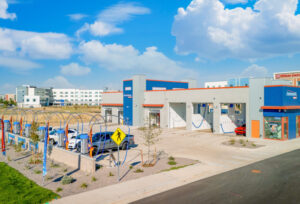
What to Evaluate Before Investing in a Car Wash
Before moving forward with a car wash acquisition or development, investors should evaluate several broader factors that can influence long-term performance and operational stability. These considerations help ensure the asset aligns with your financial strategy, operating goals, and preferred level of involvement.
Evaluate Your Capital Position
Each car wash model carries a different cost profile, and owners should understand how much capital they are comfortable committing upfront. In addition to acquisition or development expenses, it is important to account for the funds required to support operations, utilities, and routine maintenance as the business builds consistent volume.
Understand Seasonal Demand Shifts
Many markets experience seasonal shifts in car wash usage throughout the year. Certain periods generate steady traffic, while others may slow down depending on climate patterns and consumer behavior. Operators often use these slower intervals to refresh equipment, update branding, or enhance the customer experience with minimal disruption to daily operations.
Build Market and Financial Assumptions
A strong financial plan includes realistic projections for revenue, operating expenses, and equipment life cycles. Evaluating local market trends such as preferred wash types, pricing norms, and customer expectations helps determine whether a site can meet your performance targets and support long-term growth.
Assess Long-Term Growth Potential
Certain markets support multi-site expansion more effectively than others. Evaluating population growth, traffic patterns, and nearby development can help determine whether a location offers capacity for additional bays, upgraded systems, or future properties.
Review Operational Requirements
While modern car washes are increasingly automated, they still require consistent oversight to ensure equipment reliability and dependable customer service. Understanding the staffing structure and management needs of a potential site helps investors determine the level of involvement required for successful operations.
Analyze Location Dynamics and Competition
Traffic patterns, visibility, and site accessibility are major drivers of car wash performance. Assessing how many other washes serve the area, and whether local demand can support another operator, helps identify locations with stronger long-term potential.
Consider Regulatory and Environmental Expectations
Car wash facilities must comply with regulations governing water reclamation, waste discharge, and chemical handling. Becoming familiar with these local requirements early in the process helps set clear expectations for development costs, permitting timelines, and ongoing operational responsibilities.
Consult a SIG Car Wash Advisor:
If you are considering an investment in the car wash industry, connecting with a SIG Advisor is an important first step. Our team can help you identify the right car wash property for your portfolio based on market conditions, performance metrics, and long-term objectives. SIG is home to experienced brokers who are designated experts across all areas of commercial real estate, including car wash assets.
Sands Investment Group offers a range of car wash properties backed by large corporate operators or dominant regional brands. These sites are strategically positioned near major roadways and benefit from favorable demographics such as nearby retail, employment centers, and universities. Many of these properties feature long-term triple-net leases of 15 to 20 years and offer attractive cap rates ranging from 6.25 percent to 7.5 percent. To begin exploring opportunities, speak with a SIG Advisor or review our current car wash listings.