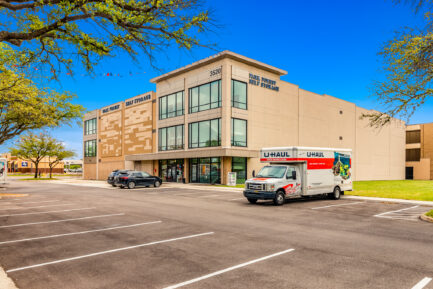


Commercial property acquisition is the process of purchasing real estate for business or investment purposes. Unlike buying a home for personal use, acquiring commercial property involves evaluating income potential, tenant stability, and long-term financial performance.
Key Takeaways
|
For investors, this process determines whether a property will deliver steady returns or carry unnecessary risk. For business owners, it can define how efficiently they operate and grow. Understanding each step, from identifying opportunities to closing and managing the asset, is essential to making confident, informed decisions.
This guide walks through the key stages of acquisition, financing options, risk management, and best practices for long-term success in commercial real estate.
What Is Commercial Property Acquisition?
Commercial property acquisition refers to buying real estate intended for generating income through business operations or leasing. This includes assets like retail centers, office buildings, warehouses, multifamily complexes, and medical facilities.
The process differs from residential purchases in several ways. Residential buyers often focus on location, design, and livability. Commercial buyers evaluate revenue potential, occupancy rates, tenant quality, and lease terms. The transaction is typically more complex, with additional layers of financial analysis and due diligence.
A successful acquisition usually involves a collaborative team:
- Buyer or Investor: Defines objectives and provides capital.
- Broker or Advisor: Identifies opportunities and negotiates deals.
- Lender: Provides financing and reviews creditworthiness.
- Legal and Due Diligence Professionals: Verify title, compliance, and environmental conditions.
Each role is essential in guiding the acquisition toward a secure and profitable outcome.
The Acquisition Process: Step by Step
Identifying Opportunities
The first step is defining investment criteria. Buyers consider factors such as location, property type, tenant profile, lease length, and return expectations. These parameters shape a focused search that aligns with long-term goals. Advisors help filter properties that fit these standards and uncover opportunities before they reach the open market.
Market Research and Underwriting
Once a potential property is identified, financial and market analysis begin. This includes reviewing comparable sales, current rent rolls, and cap rates, as well as local economic and demographic trends. Underwriting helps estimate future cash flow and return potential.
Advisors analyze how the property’s performance compares with similar assets, ensuring that pricing reflects both market conditions and income expectations.
Due Diligence
Due diligence verifies the accuracy of all information provided. It typically includes property inspections, environmental assessments, title searches, and zoning reviews. Legal teams review leases and contracts to ensure there are no hidden liabilities or restrictions.
Thorough due diligence reduces uncertainty and protects investors from costly surprises after closing.
Negotiation and Contracting
After initial evaluation, the buyer and seller negotiate terms. Purchase agreements outline price, contingencies, timelines, and key deliverables. Experienced brokers and advisors play a vital role in structuring deals that balance risk and reward while keeping the process moving toward closing.
Financing and Funding
Financing decisions depend on property type, buyer experience, and market conditions. Traditional commercial mortgages, SBA 504 and 7(a) loans, and private or bridge loans are common. Lenders review NOI, debt service coverage ratios, and the borrower’s credit profile to determine loan terms.
Buyers should prepare to fund 20 to 30 percent of the purchase price as a down payment. In some cases, creative financing structures – such as seller financing or partnership equity – help reduce upfront costs.
Closing the Deal
The closing process finalizes the transaction. This includes signing the loan and sale documents, transferring funds, recording the deed, and handing over possession. Most closings take place after all contingencies are satisfied and due diligence has been completed.
Post-Acquisition Management
After closing, ownership transitions into active management. This includes maintaining the property, managing tenant relationships, and monitoring performance metrics such as occupancy and NOI. Effective management preserves value and positions the asset for appreciation or future sale.
Learn more about real-world acquisitions: SIG Handles Acquisition of Unique Portfolio Containing 2 Discount Retail Properties and 1 Big Box Location.
Key Rules of Thumb and Benchmarks
The 1% Rule
The 1% Rule offers a quick estimate for evaluating rental potential. It suggests that monthly rent should equal at least 1% of the property’s purchase price. For example, if a property costs $1,000,000, it should generate about $10,000 in monthly rent to meet this rule.
While the 1% Rule provides a fast screening tool, it does not account for expenses, vacancy, or market conditions. Investors should use it as an initial guideline, not a final measure of profitability.
Other Key Metrics
- Cap Rate: Calculated as NOI divided by purchase price, the cap rate measures the expected rate of return.
- Gross Rent Multiplier (GRM): The ratio of purchase price to gross rental income, useful for quick comparisons.
- Vacancy Rate: Indicates the percentage of unoccupied units, reflecting market demand and tenant stability.
- Cash-on-Cash Return: Compares annual pre-tax cash flow to the total cash invested.
For instance, a property purchased for $2 million that produces $160,000 in NOI has an 8% cap rate ($160,000 ÷ $2,000,000). This level of detail helps investors compare opportunities with confidence.
Financing the Purchase: How Much Money Do You Need Down?
Commercial financing typically requires a larger down payment than residential loans. Most lenders ask for 20 to 30 percent of the purchase price, depending on property type, loan program, and borrower qualifications.
Factors That Influence Down Payment Size
- Property Type: Lenders may require more equity for specialized assets, such as hospitality or entertainment properties.
- Borrower Experience and Credit: Seasoned investors with strong credit may qualify for lower down payments.
- Loan Program: Traditional commercial loans differ from government-backed options.
Special Financing Programs
SBA 504 and 7(a) loans can reduce upfront costs, especially for owner-operators. These programs often allow down payments as low as 10 percent and offer longer amortization periods.
Other Costs to Expect
Beyond the down payment, buyers should prepare for:
- Closing costs, including title fees, lender charges, and legal expenses
- Inspection and appraisal fees
- Potential improvements or tenant build-outs
- Reserves for maintenance and contingencies
Careful budgeting ensures a smooth closing and sustainable operations from day one.
Risks and Challenges in Acquisition
Every investment carries risks. Understanding and planning for them helps mitigate potential losses.
Market and Economic Risks
Fluctuations in interest rates, inflation, or local economic conditions can affect property values and cash flow. A property that performs well in one cycle may face challenges in another if market demand shifts.
Physical and Environmental Risks
Deferred maintenance, aging infrastructure, or environmental contamination can lead to costly repairs. Conducting inspections and environmental assessments early in the process helps prevent unexpected expenses.
Tenant-Related Risks
Vacancies, lease defaults, or tenant turnover can disrupt income. Long-term leases with creditworthy tenants help stabilize cash flow. Diversifying tenant mix across sectors also reduces exposure to a single industry.
Financing Risks
Rising interest rates, unfavorable loan terms, or cash flow mismatches can create financial strain. Fixed-rate financing and sufficient cash reserves can help mitigate these risks.
Tips for Success in Acquisition
- Work With Experienced Advisors and Brokers: Professionals with sector expertise can identify opportunities and guide negotiations.
- Perform Thorough Due Diligence: Review all documents, leases, and reports before closing.
- Set Clear Investment Criteria: Define location, asset type, and return goals before shopping for properties.
- Plan for Ongoing Expenses: Budget for property management, maintenance, and reserves.
- Think Long Term: Consider future market trends, potential exit strategies, and asset repositioning opportunities.
Partnering with the right advisory team provides access to market data, financing strategies, and risk management insights that support confident investment decisions.
Case Study Example
Consider an investor purchasing a small shopping center for $3,000,000. The investor makes a 25 percent down payment of $750,000 and secures financing for the remaining $2,250,000.
The center generates $35,000 per month in rent, meeting the 1% Rule. After deducting $10,000 in monthly operating expenses, the property produces an annual NOI of $300,000.
With an 8% cap rate ($300,000 ÷ $3,000,000), the investment shows solid performance potential. The investor continues to monitor market conditions, manage tenant relations, and explore opportunities to enhance income over time.
Learn more: SIG Handles Large Multi-Transaction Portfolio Acquisition for Client.
Commercial property acquisition is a detailed process that blends financial analysis, market insight, and operational strategy. From identifying opportunities to managing assets post-closing, each stage requires thoughtful planning and expert guidance.
By understanding benchmarks, financing options, and potential risks, investors can approach acquisitions with clarity and confidence.
Sands Investment Group provides the experience and market knowledge to help clients navigate every step. Learn more about SIG and how our advisors support acquisition strategies across all property types.
If you are exploring new opportunities, visit our listings.