
Selling new construction commercial real estate has never been a simple equation, but today’s market adds a few extra layers of complexity. Between elevated debt rates, global uncertainty, and a more selective buyer pool, developers are navigating a tougher environment than they were even two years ago. To get a clearer picture of what’s really happening on the ground, we sat down with Dave Wirgler, Vice President of National Developer Services at SIG. Dave works directly with developers across the country and has a front-row seat to how the new construction sector is evolving. Here’s what he had to say.
Q: How would you describe the current market for selling new construction assets?
Transaction volume is down right now, mirroring the slow pace we saw in 2023, and that’s making the market a tougher place to sell into. That said, it’s not all bad news. A slower market has created a more disciplined buyer pool, and that’s actually causing sellers to sharpen their positioning in a way that benefits the deals that do get done. Selling new construction in this environment means understanding who’s really at the table, why global conflict and debt rates have buyers spooked, where the activity is actually happening geographically, and how to underwrite and position an asset realistically so it doesn’t just sit on the market collecting carrying costs.
Q: What types of buyers are most active today?
Right now, the active buyer pool is mostly institutional and value-add capital. The private capital buyers who typically drive new construction sales, including both 1031 exchange and non-1031 investors, are playing a much smaller role in today’s market. The 1031 buyer pool has diminished as fewer investors are selling assets and entering exchanges, while many passive, non-1031 buyers have adopted a wait-and-see approach because of ongoing market uncertainty. As Dave puts it: “When there’s uncertainty in the market, or the market gets rough, your private capital tends to play the wait-and-see game.” Instead of actively pursuing acquisitions, many of these buyers are choosing to preserve capital until they have more confidence in where pricing, financing costs, and the broader economy are headed.
A large share of new construction buyers also comes from owners of higher-maintenance asset classes like multifamily, where sellers have owned a property for years and are ready to trade it out for a low-maintenance net lease asset they won’t need to actively manage. Because of that dynamic, the new construction sector tends to have a buyer pool that’s directly tied to how well other asset classes are performing. When multifamily is slow, fewer people are looking to trade into new construction net lease, and right now, that’s exactly what’s happening.
Q: How have market conditions shifted over the past 12–18 months, and what’s driving those changes?
The biggest factor reshaping the market in 2026 has been the global conflict, and its direct impact on the 10-year Treasury and debt rates is being felt across every deal. Through 2024 and into early 2025, sentiment was actually building. Developers and tenants were genuinely optimistic, momentum was picking up, and it felt like the market was finding its footing again. Then February hit, and that momentum stalled.
The buyer pool for new construction tends to skew toward more established investors who are focused on capital preservation and dependable income rather than aggressive growth. Dave explains that with the current wait-and-see mentality comes a “cash is king” mindset, and many of these investors would rather hold onto their cash than put it into a new construction deal until they feel more confident about where the market is headed. That said, he doesn’t think this lasts forever. “I would imagine that normalcy will reappear sooner rather than later, because I think there is a general desire to do more deals and to want to get to a normalcy.”
Elevated debt rates are also continuing to be one of the biggest factors impacting pricing, and they’re affecting every single deal, not just the leveraged ones. Even in situations where buyers are paying all cash, they still factor debt rates into their offers because the comps used to price a deal reflect what leveraged buyers are willing to pay. When debt rates push cap rates up, all-cash buyers use that market-wide shift as a negotiating lever, even though their own cost of capital hasn’t changed at all.
Q: Are there specific asset classes or markets where new construction is trading more actively right now?
Texas and Florida are the clear frontrunners in transaction volume from a national standpoint. There’s also a notable buyer migration pattern out of California right now, with buyers pushing their money through Arizona and Texas markets to keep it working while they figure out their next move. Northeast money has a natural flow down into Florida. Dave explains it plainly: “If you call most private exchange buyers, 9 out of 10 times they’re going to say my primary targets are Texas and Florida. No tax helps a lot.” The absence of state income tax is a major draw, and as a result, these Sun Belt markets continue to attract the deepest buyer pools and the strongest transaction activity in today’s environment.
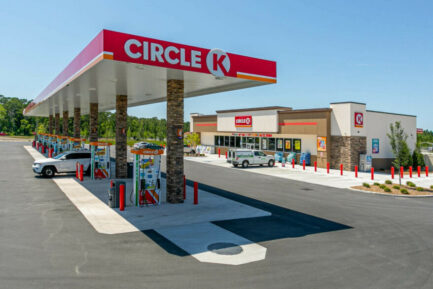
From an asset class standpoint, QSRs are one of the top-moving categories in new construction, followed by convenience stores. These asset types have proven resilient across market cycles, which is a big part of why they continue to dominate new construction transaction volume even when overall activity is down.
Q: What are buyers looking for in newly built retail properties?
It’s a mixed bag, but the pattern Dave sees most consistently is that buyers flock to what they know and love. Someone who traded into a Chick-fil-A five years ago and liked their experience is likely going to go back to another Chick-fil-A or similar QSR asset type, not out of some sophisticated investment thesis, but out of comfort and familiarity with the product.
Tenant reputation also carries a lot of weight in this sector. Some national tenants have a reputation for being generally demanding, while others don’t, and buyers will typically gravitate toward the less demanding tenants when they have the choice. National buyers tend to be loyal to a specific tenant or product type outside of their home market, while local buyers are more driven by proximity to what they already know than by tenant brand specifically. Understanding which category your likely buyer falls into matters a lot when you’re thinking about how to position an asset and which tenants to target when you’re still in the development phase.
Q: How have buyer expectations changed over the past few years?
Cap rates have shifted, and buyers know it. What someone would have paid for a new construction asset three years ago and what they’re willing to pay today are two very different numbers, driven almost entirely by where debt rates have gone. Sellers who are still anchored to 2021 or 2022 pricing are going to have a very hard time finding a buyer, and they’re often the ones whose assets sit on the market the longest. The buyers who are active right now are sophisticated enough to know exactly what the data says, and they’re not going to overpay just because a seller has a number in their head from a different market environment.
Q: What challenges are developers facing when bringing a new asset to market?
Finding buyers is the shared challenge right now across the board, and the sales cycle is longer than it used to be. Developers who went into a project expecting a quick exit are finding that the timeline from listing to close has stretched considerably, and that has real financial consequences when you’re carrying construction debt. Developers need to build in more runway and more patience than they might have originally planned for when they underwrote the project, and the ones who didn’t are feeling that pressure acutely right now.
Q: How important is occupancy at the time of sale?
It depends entirely on the lease structure, and the answer is pretty different depending on which type of deal you’re talking about.
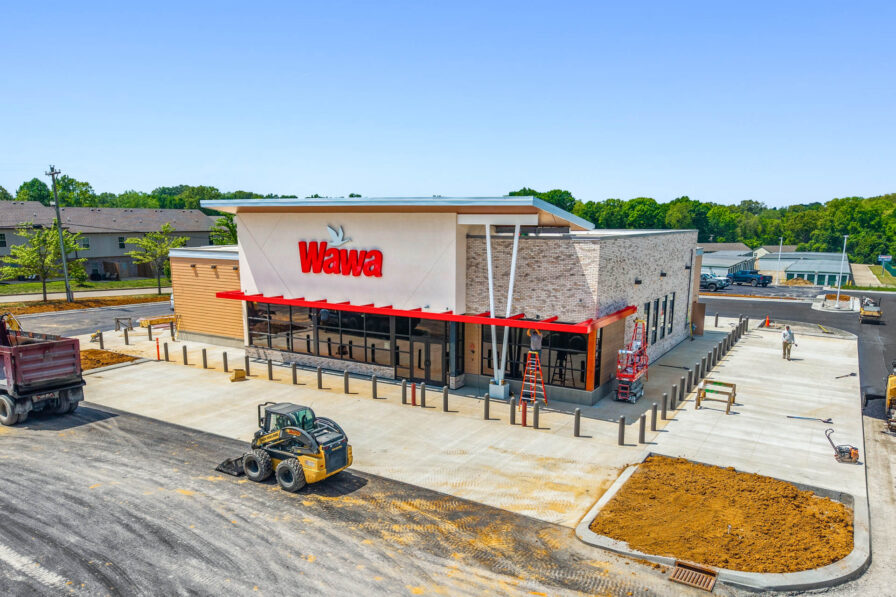
In build-to-suit deals, occupancy and time of completion matter significantly at the time of sale. Rent doesn’t legally commence until the tenant formally accepts the finished building, which means construction delays can significantly push back the rent commencement date and add real risk to a transaction. A buyer purchasing a build-to-suit is taking on that timing risk, and they price accordingly.
In ground lease deals, occupancy is generally not the primary driver of value the way it is with build-to-suit assets. The developer’s obligation is to deliver a pad-ready site, and once the tenant signs off and accepts that site, they become legally bound to begin paying rent on a set schedule, typically 180 days after delivery of the pad-ready site, regardless of whether the tenant is open and operating yet. Because of that legal certainty, ground leases can often be confidently sold well in advance of the property even being built. That’s a meaningful structural advantage for developers who want to exit early in the process.
Q: How are developers positioning assets to attract investors?
A big part of it comes down to tenant selection, and the developers who are thinking about their exit from day one are asking the right questions before they ever break ground. What tenant should I be pursuing that’s actually going to resonate with the buyer pool I’m going to be selling to? Choosing a tenant with strong brand recognition, a clean reputation with investors, and a track record that buyers trust goes a long way toward making a deal easier to sell when it’s time to go to market. Developers who treat tenant selection purely as a leasing decision, without thinking about how that tenant will be received by the eventual buyer, are leaving themselves in a harder position when it comes time to exit.
Q: What mistakes do developers commonly make when preparing a property for sale?
Underwriting is the biggest one. Developers often have a strong understanding of where the market is, but they may choose to price more aggressively in hopes of achieving a stronger outcome. The challenge is finding the right balance. If pricing extends too far beyond what comparable transactions support, a property can sit on the market longer than expected, forcing sellers to adjust pricing later while chasing the market. Dave leans heavily on raw data in his work, and building and maintaining an accurate, comprehensive database of real transaction comps is a core part of how he helps clients develop informed pricing strategies. Having reliable data behind your pricing not only helps set realistic expectations internally but also leads to stronger outcomes once a property actually goes to market.
The other big mistake is underestimating the pressure that inflation puts on construction costs. Developers consistently find that construction costs more than they originally budgeted, and rising construction debt rates make every month of delay more expensive than the last. Dave breaks it down in a way that makes the math very clear: “When construction debt nearly doubles, the increase in monthly debt service can significantly impact a project’s profitability. Every additional month a project sits on the market means higher carrying costs, which steadily eat away at a developer’s bottom line. In many cases, those added costs can far outweigh the benefit of holding out for a higher sale price.” Every month a project is delayed or sits on the market becomes more expensive, and that reality puts additional pressure on developers to price strategically and execute quickly once they’re ready to go to market.
Q: Where do you see the market for new construction sales heading over the next 12–24 months?
The outlook over the next 12 to 24 months is going to depend heavily on how quickly market uncertainty begins to ease. A resolution to the current global conflicts would go a long way toward restoring confidence and helping stabilize the 10-year Treasury and financing markets. If elevated interest rates, geopolitical uncertainty, and today’s cautious investment environment persist, buyer activity will likely continue at its current pace. But if financing conditions improve, geopolitical uncertainty subsides, and confidence returns to the market, Dave expects buyer activity to pick back up in a meaningful way.
Regardless of when that shift happens, the fundamentals remain the same. Sellers who price assets realistically, position strong tenants effectively, and understand what today’s buyers are actually looking for will be best positioned to succeed no matter where the market goes next. The developers who are doing that work now, before they go to market, are the ones who are going to be ready when conditions improve.
Ready to take your development to market?
Contact us to learn more about how SIG can help you position and sell your new construction asset.